[Editorial] What Foreign Tourists Seek at Pharmacies After Olive Young: K-Beauty's Integration with Regenerative Medicine
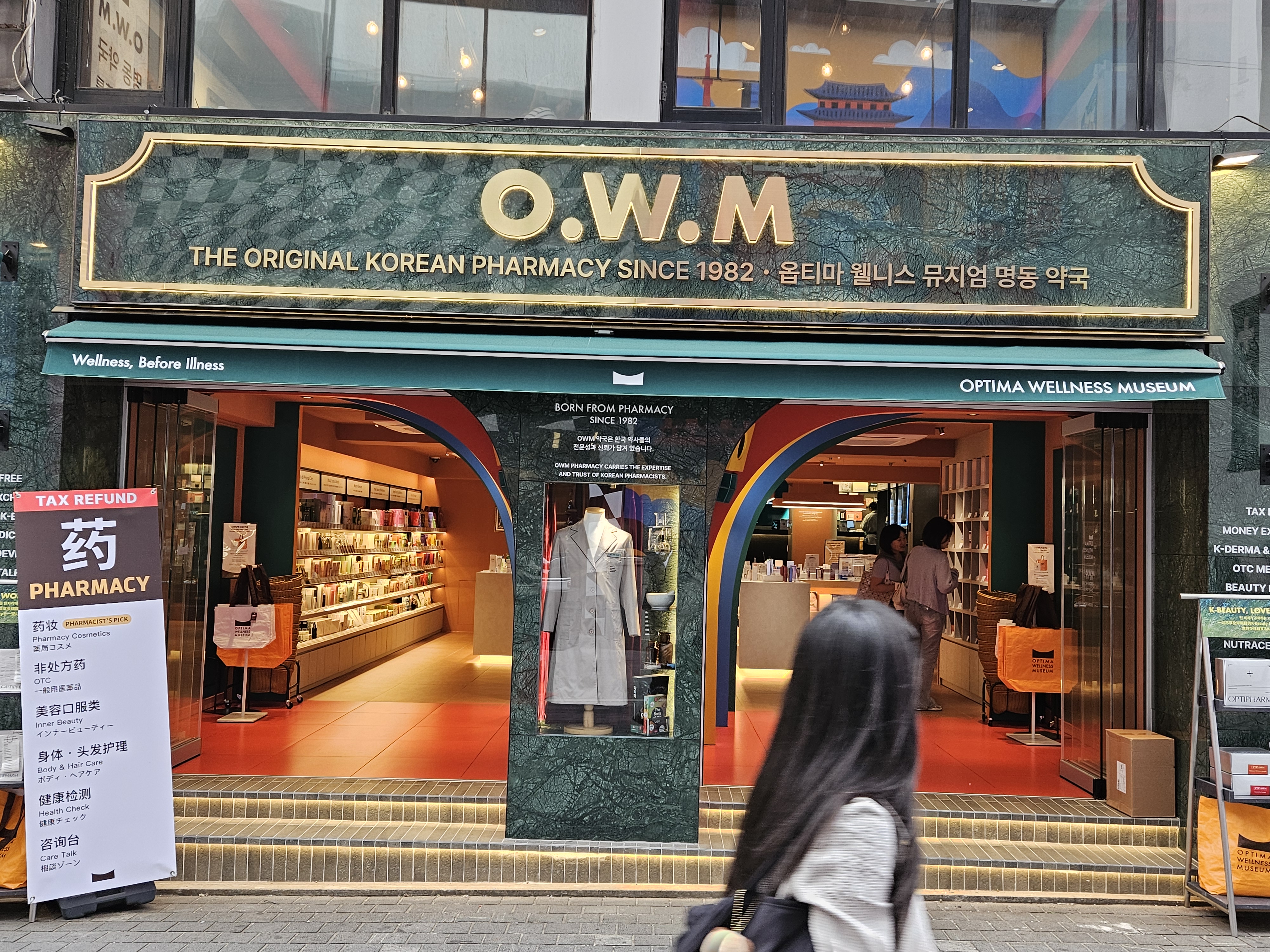
[Editorial] What Foreign Tourists Seek at Pharmacies After Olive Young: K-Beauty's Integration with Regenerative Medicine
From PDRN to ECM: The New Darling of Regenerative Medicine
The bio-material craze in the Korean beauty market began with 'PDRN,' extracted from salmon DNA. Following the massive clinical success of PDRN, an ECM-based skin booster derived from human cadaver tissue called Re2O has recently become an absolute must-have treatment in Gangnam clinics.
While consuming or applying single-ingredient collagen was once a fad, the market is now focusing on ECM, a higher-level concept of collagen.
This clinical sensation naturally spread to the home-care cosmetics market. With the successive domestic launches of products like Elravie Re2O, ECM has instantly become the hottest keyword in the beauty industry.
Limitations of Human-Derived Ingredients and the Rise of Porcine ECM
However, behind the ECM craze, a rigorous verification of its origin is necessary. For human-derived ECM, there is a critical blind spot: it is impossible to fully track whether the cadaver was diseased or severely aged.
| Feature | Human-Derived ECM | Porcine-Derived ECM |
|---|---|---|
| Biocompatibility | High (Same species) | Very High (Anatomically/physiologically similar to humans) |
| Safety Concerns | Hard to control donor's disease/aging status | Infection risks blocked via sterile rearing environments |
| Quality Control | Difficult to ensure uniformity | High purity and uniform quality guaranteed |
As an alternative to overcome these limitations, 'porcine dermis-derived ECM', which is known to be the most similar to humans, is taking center stage. The evolution of products filling Myeongdong's shelves doesn't stop here. Hybrid products like cellceutix Re2DN, which blends PDRN into a highly biocompatible ECM cream base, have now emerged.

Cellceutix Re2DN: PDRN and ECM hybrid cream
Enjoyed this article?
Subscribe to CEO Daily Brief and get core insights into the South Korean market delivered to your inbox every morning.
Comments 0
No comments yet. Be the first to share your thoughts!